


**Are Biodegradable Electronics Truly Environmentally Friendly? New Research Raises Concerns**
Electronics designed to disappear after use sound like a perfect solution to the world’s growing e-waste problem. Known as transient or biodegradable electronics, these devices are meant to break down naturally once they have finished their job. They are increasingly used in medical applications such as dissolvable sensors, temporary implants, and electronic stitches.
However, new research from Northeastern University suggests that some of these devices may not be as harmless as they seem.
### Materials That May Persist as Microplastics
Researchers have discovered that certain materials commonly used in biodegradable electronics can break down into microplastics. Instead of fully dissolving into safe, natural substances, these materials may persist in the environment for years and fragment into tiny plastic particles that are difficult to remove.
One material of particular concern is a polymer called PEDOT:PSS. Widely used in electronics and medical devices due to its excellent electrical conductivity and flexibility, PEDOT:PSS has been shown to remain in the environment for more than eight years. As it degrades, it may break into microplastic fragments, raising serious questions about its long-term environmental impact.
### Study of Transient Electronic Devices in Soil
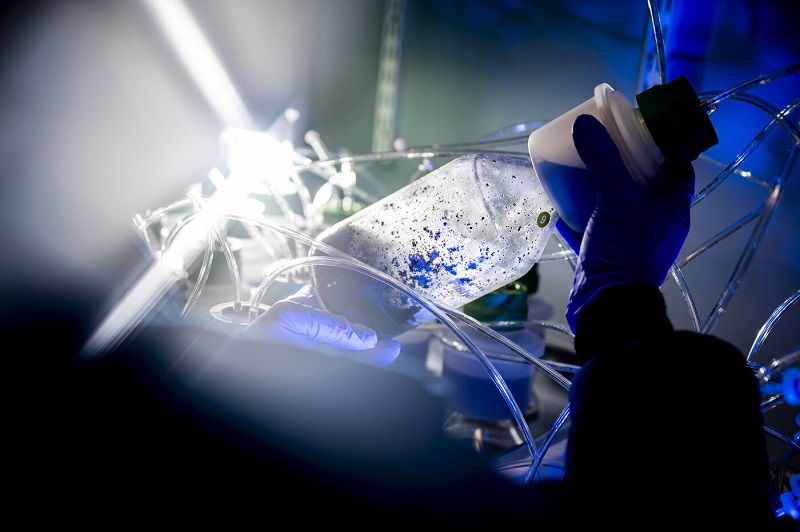
The study focused on two types of transient electronic devices: a partially degradable pressure sensor and a fully degradable light-detecting device. By tracking how different materials behaved in soil over time, the researchers found that not all “biodegradable” materials act the same way.
Natural materials such as cellulose and silk fibroin degraded much more quickly and released byproducts unlikely to harm soil or ecosystems. In contrast, some synthetic polymers showed signs of long-lasting persistence and potential damage.
### Environmental Implications
This distinction matters because discarded electronics often end up buried in soil. If these devices release harmful substances as they break down, they could permanently damage soil health and pose risks to plants, animals, and eventually humans.
Understanding whether a degrading electronic device enriches the soil or harms it is crucial, especially as these technologies become more common.
### Measuring True Biodegradability
To better assess how biodegradable different materials really are, the research team is now studying the levels of carbon dioxide released as polymers degrade in soil. Carbon dioxide production helps scientists estimate how quickly a material breaks down and whether it fully decomposes.
Early tests conducted over several months aim to reveal which materials truly return to nature and which simply change form without complete decomposition.
### The Growing Market and Responsibility Ahead
Interest in biodegradable electronics is rapidly increasing. The global market for biodegradable electronic polymers was valued at more than $120 million in 2024 and is expected to nearly double by 2033.
With this growth comes a responsibility to ensure these technologies do not create new environmental problems while trying to solve old ones.
### Beyond Materials: The Manufacturing Challenge
The researchers also point to manufacturing as a major concern. Producing electronic components consumes vast amounts of water and chemicals. For example, making a single silicon wafer can require thousands of liters of water, much of which becomes contaminated wastewater.
As water scarcity worsens worldwide, this approach is increasingly unsustainable.
### Toward a Circular Electronics Future
The researchers argue that the future of electronics should be circular rather than disposable. In a circular system, materials are reused, waste is minimized, and biodegradable devices truly return safely to nature.
The long-term goal is clear: electronics that perform their function and then disappear without leaving behind pollution of any kind.
https://knowridge.com/2025/12/biodegradable-electronics-may-create-microplastics-scientists-warn/